30 Hudson Yards
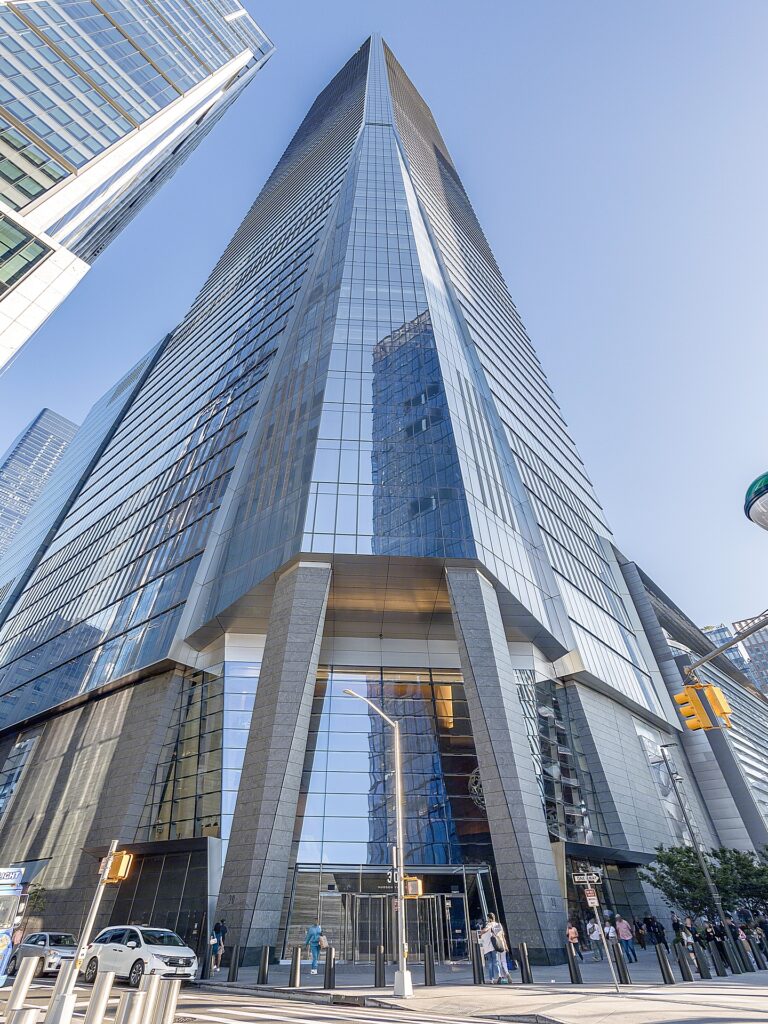
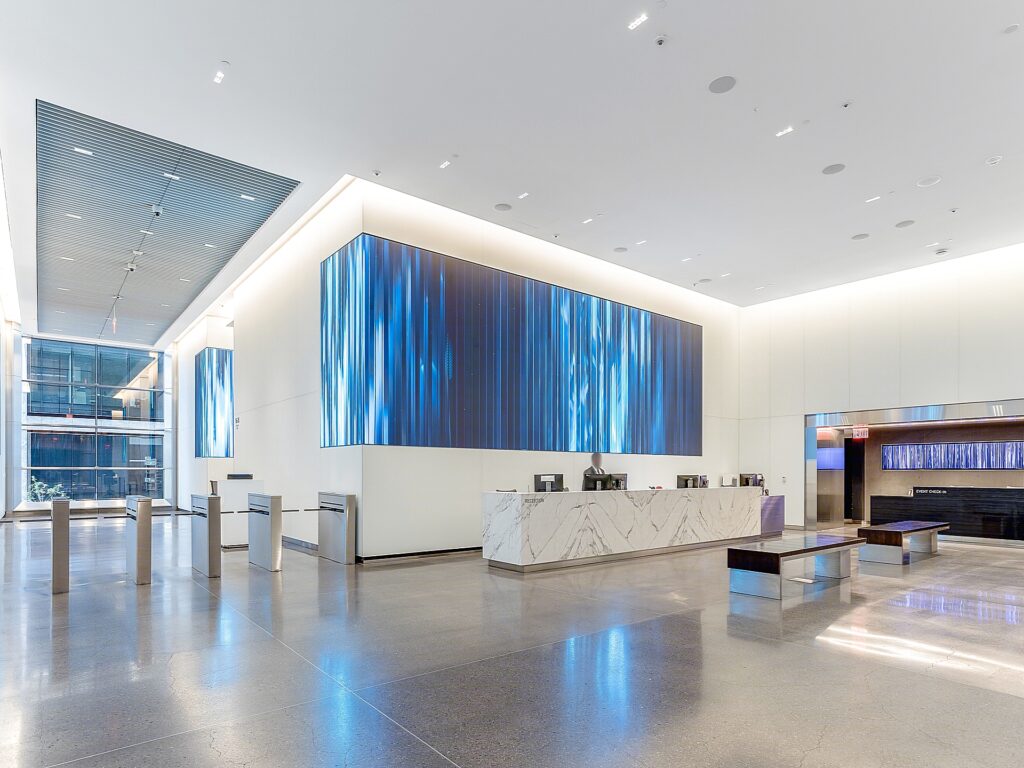
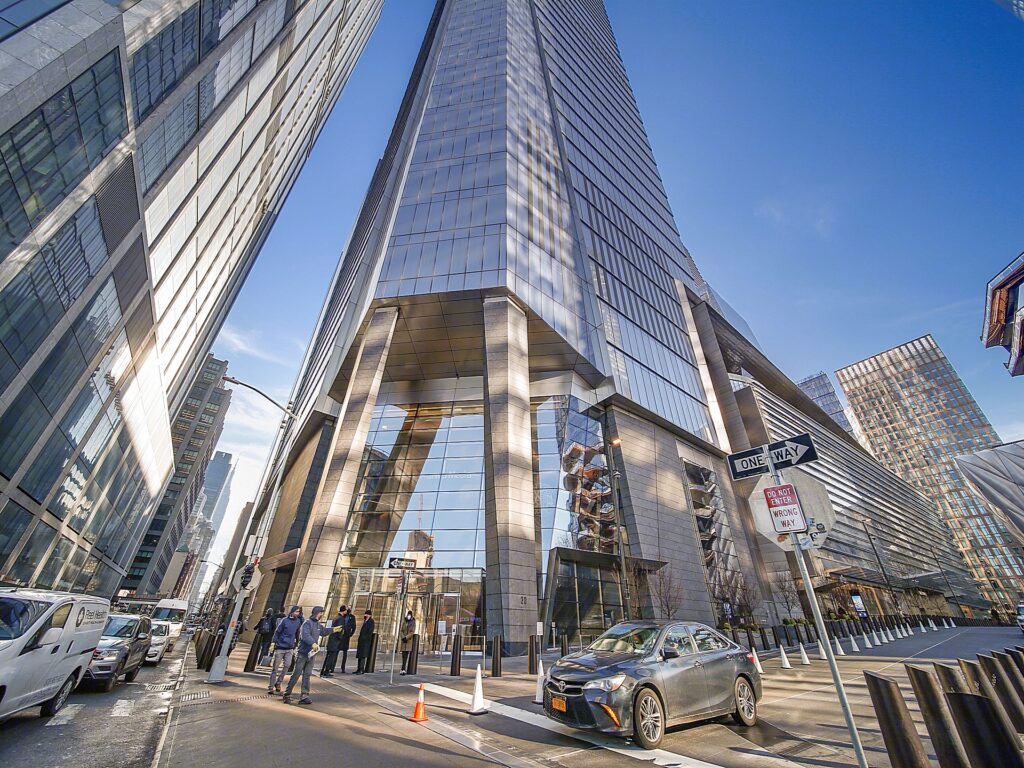
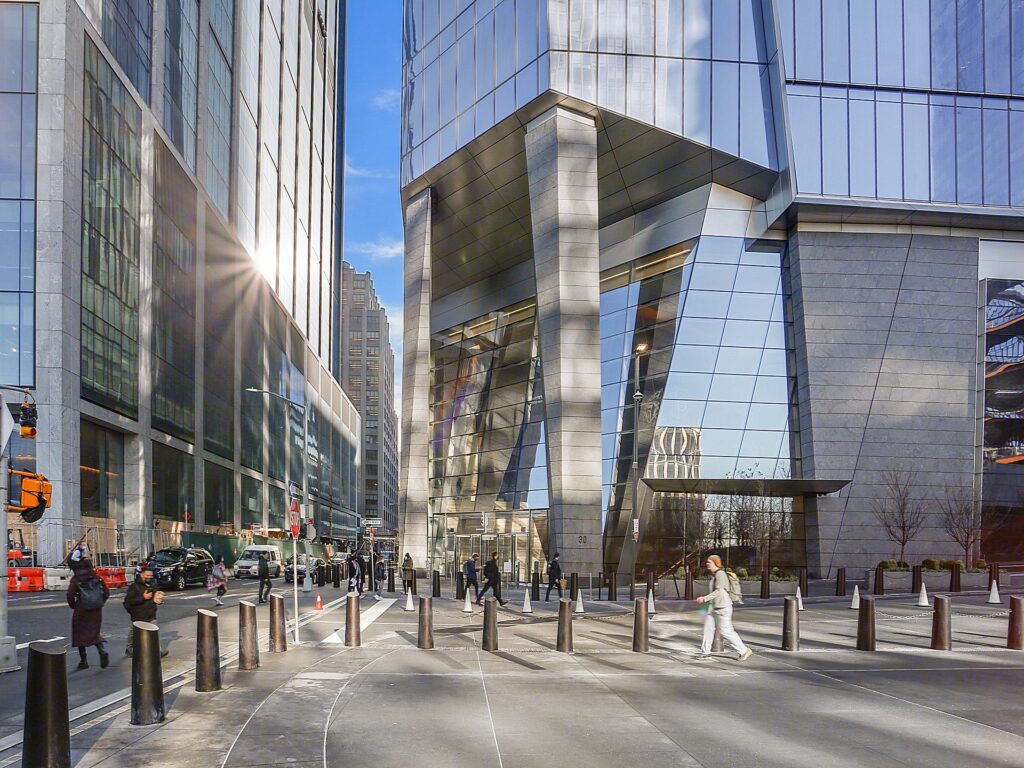
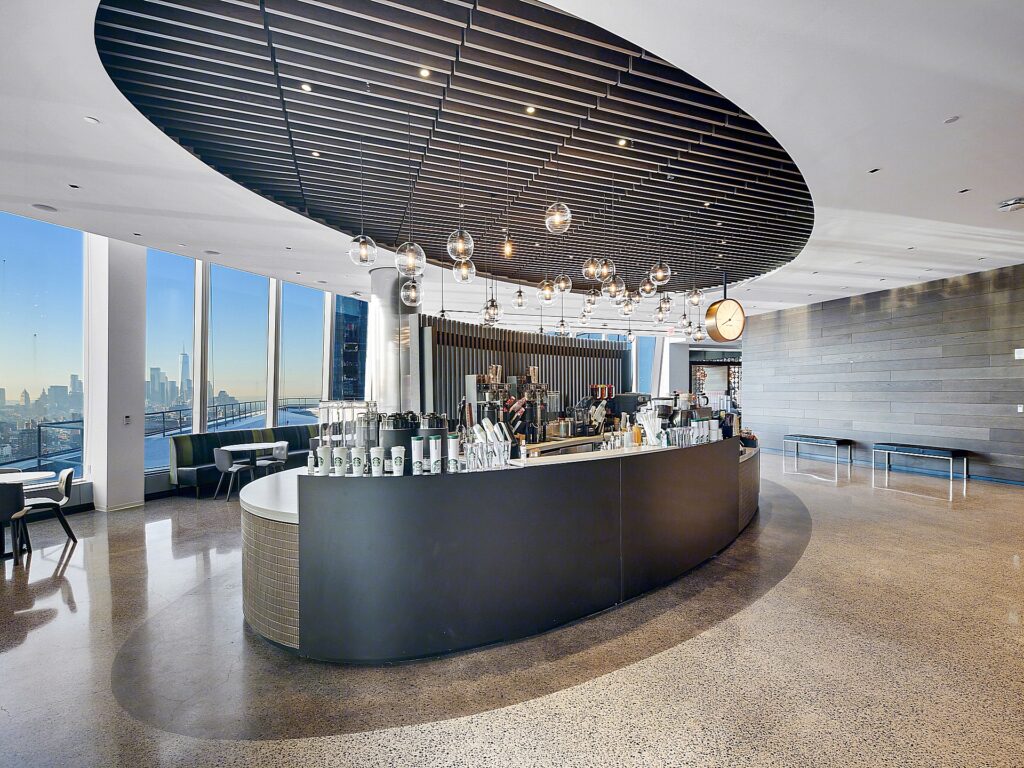
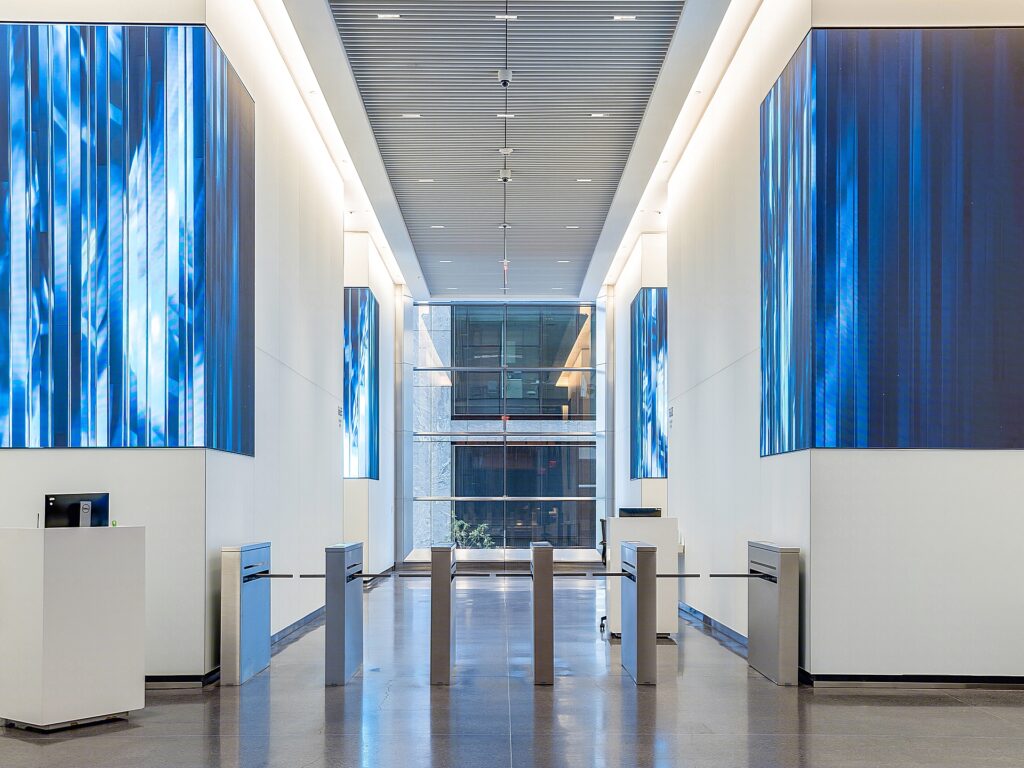
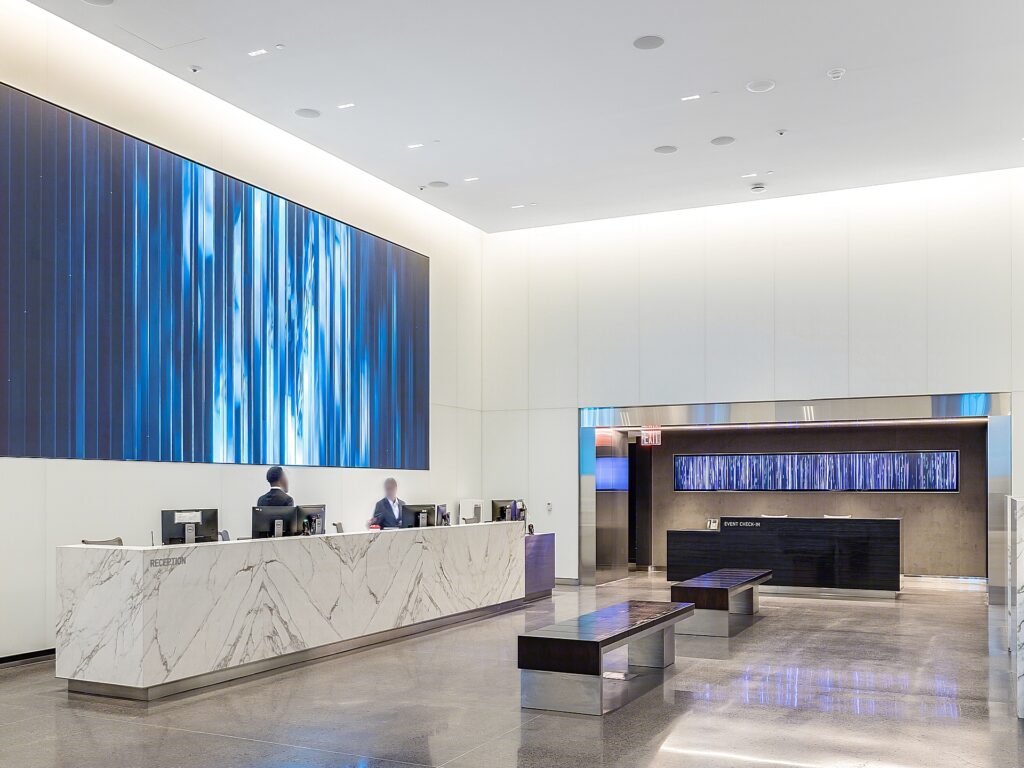
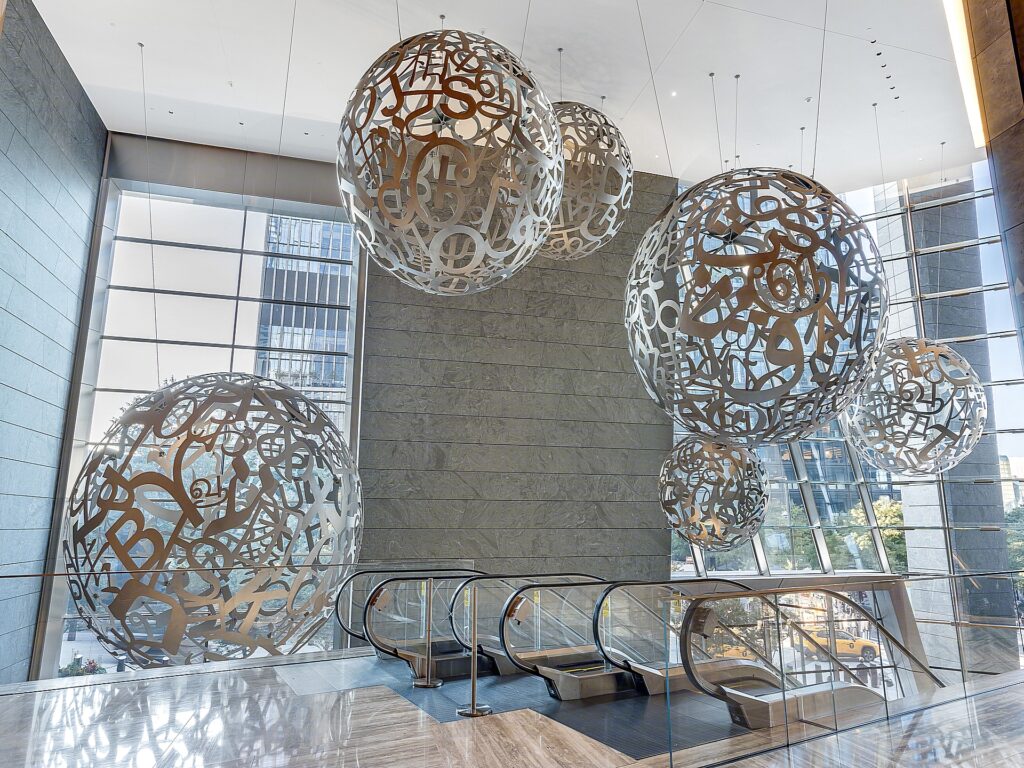
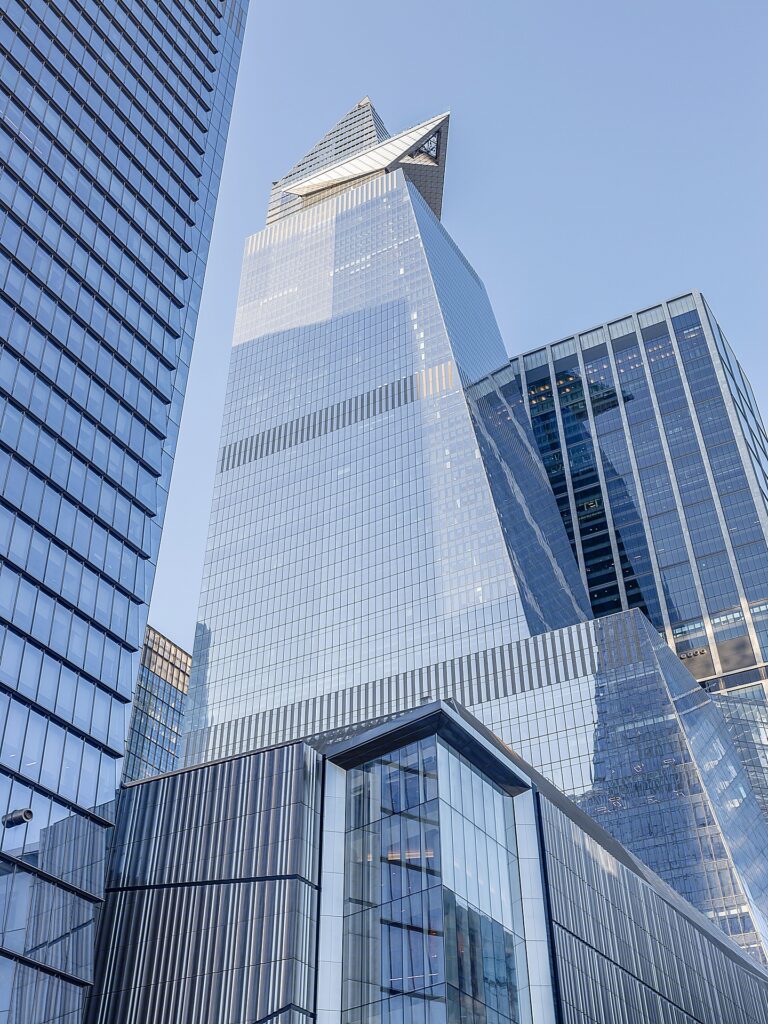
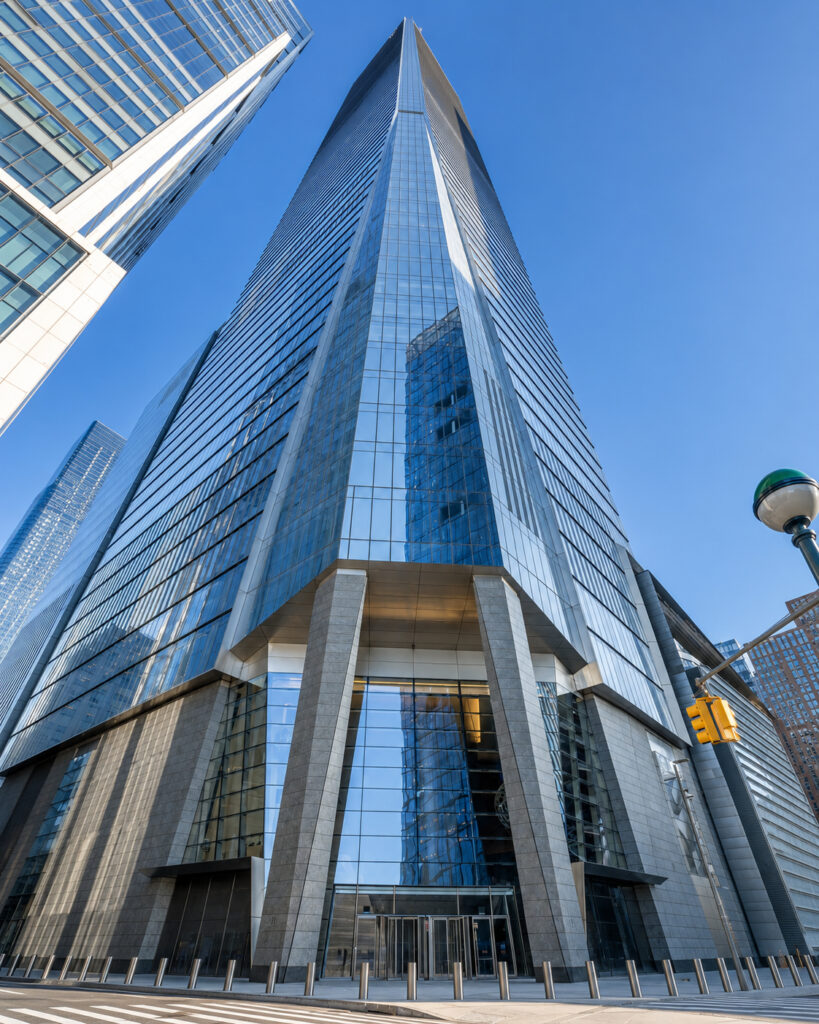
30 Hudson Yards stands as one of the most recognizable and powerful office towers in Manhattan, defining the skyline of the Far West Side while delivering a workplace environment built for global-scale tenants. Rising prominently within the Hudson Yards development, the building represents a shift in how companies think about office space—combining large, efficient floor plates with lifestyle-driven amenities and a fully integrated neighborhood ecosystem. Tenants considering this property are not simply leasing space; they are positioning their business within one of the most modern and strategically designed commercial districts in New York City.
The tower is particularly attractive to companies seeking scale, image, and operational efficiency. Large floor plates allow for dense workstation layouts, trading floors, or campus-style configurations that are difficult to achieve in older Midtown buildings. At the same time, the building’s modern infrastructure supports advanced technology, high-capacity systems, and flexible layouts that accommodate long-term growth. This makes 30 Hudson Yards especially relevant for finance, media, technology, and global corporate users who require both presence and performance from their office environment.
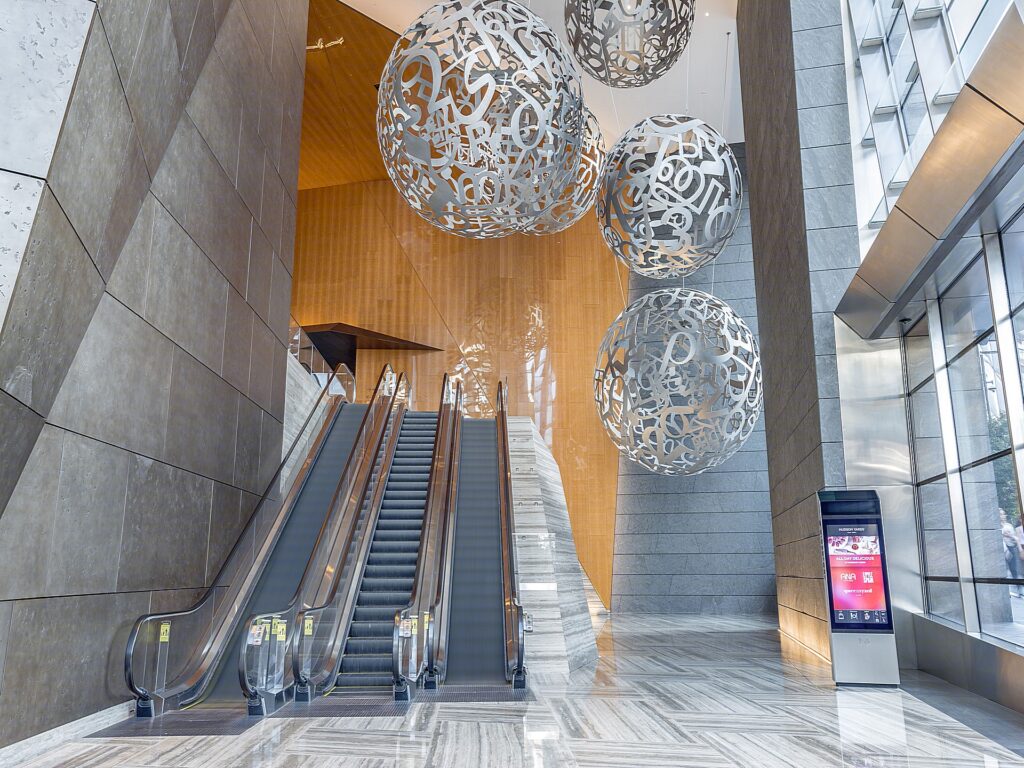
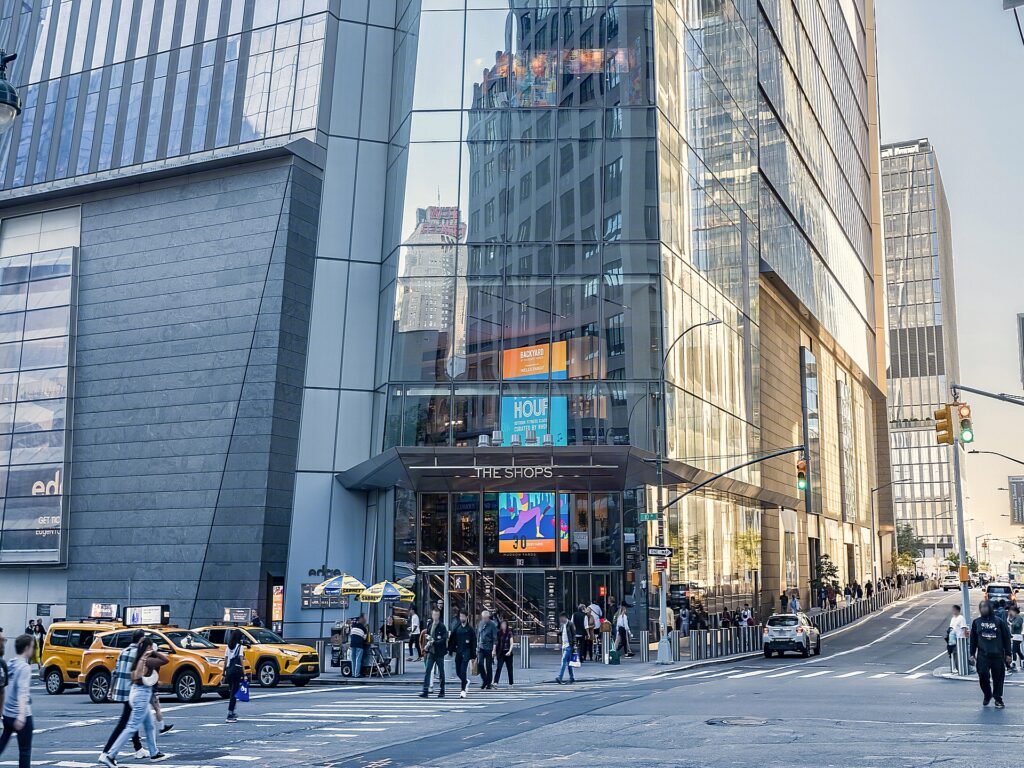
From a tenant experience standpoint, the building goes beyond traditional Class A expectations. Direct integration with retail, dining, and entertainment components within Hudson Yards creates a seamless workday environment where employees have immediate access to high-end food options, casual meeting spaces, and after-work destinations. The presence of observation decks, hospitality venues, and curated public spaces adds a level of energy that older office corridors simply cannot replicate. This translates directly into employee satisfaction, retention, and client-facing impressions.
Location plays a critical role in the building’s appeal. Positioned on Manhattan’s West Side, 30 Hudson Yards benefits from proximity to the Hudson River, the High Line, and the expanding Penn Station district. The extension of the 7 subway line has transformed accessibility to the area, while nearby commuter rail connections at Penn Station provide regional access from New Jersey, Long Island, and beyond. As a result, tenants gain both a modern workplace environment and a transportation network capable of supporting a large and diverse workforce.
In today’s leasing environment, where companies are balancing return-to-office strategies with long-term growth planning, 30 Hudson Yards offers a compelling solution. It provides the scale of a headquarters location, the image of a trophy asset, and the convenience of a fully built-out commercial district. For tenants evaluating new construction versus legacy Midtown buildings, this property consistently emerges as a top-tier option for those prioritizing efficiency, experience, and long-term positioning in Manhattan’s evolving office market.
Available Office Space
• Hudson Yards Office Space Headquarters 45,942 SF.
• Hudson Yards Headquarters Space 45543 SF.
Technical Specifications
30 Hudson Yards rises approximately one thousand two hundred sixty-eight feet above street level, establishing itself as one of the tallest office towers in New York City and a defining component of the Hudson Yards skyline. The building contains approximately seventy-three floors and delivers roughly two point six million square feet of total built space, with a substantial portion dedicated to Class A office use. Its scale alone places it within a rare category of Manhattan office buildings capable of supporting true headquarters-level tenancy.
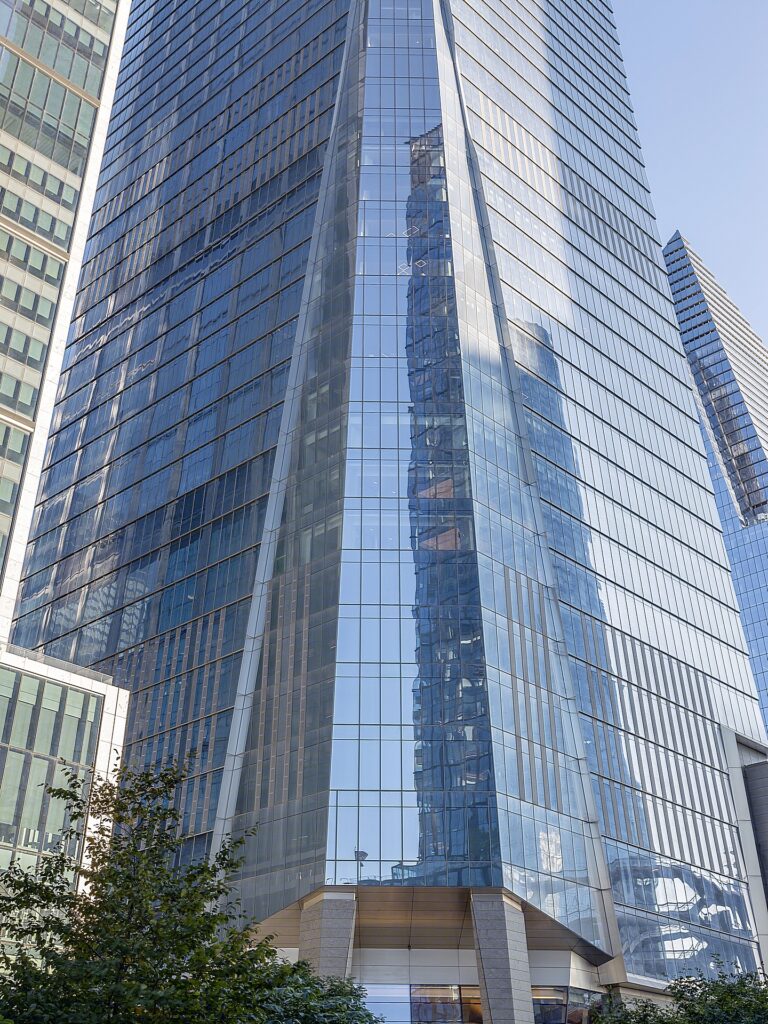
The tower was designed by Kohn Pedersen Fox, a globally recognized architectural firm known for delivering large-scale, high-performance commercial buildings. The structure features modern curtain wall construction with expansive glass coverage, allowing for exceptional natural light penetration and panoramic views of the Hudson River, Midtown Manhattan, and beyond. Floor plates are notably large and efficient, particularly in the lower and mid-rise sections of the building, enabling dense workstation layouts, trading floors, and highly flexible planning configurations that are difficult to replicate in older Midtown inventory.
Ceiling heights are designed to accommodate contemporary office expectations, supporting exposed or finished configurations depending on tenant preference. The building infrastructure includes advanced mechanical systems, high-speed elevator banks, and robust power and data capabilities, all engineered to meet the demands of large institutional users and technology-driven companies. These systems are critical for tenants requiring redundancy, uptime reliability, and scalability over long lease terms.
A defining feature of 30 Hudson Yards is its integration of mixed-use elements within the vertical structure. The building houses the Edge at Hudson Yards, one of the highest outdoor observation decks in the Western Hemisphere, located on an upper level of the tower. This component, along with embedded retail, dining, and amenity spaces, contributes to the building’s identity as more than a traditional office asset, positioning it as a destination within the broader Hudson Yards development.
From a structural and engineering standpoint, the building was developed using advanced construction techniques to accommodate its height and mixed-use program, including reinforced core systems and large-span floor framing. The result is a highly stable, column-efficient environment that maximizes usable space for tenants while maintaining flexibility across a range of office layouts. For companies evaluating new construction versus legacy assets, these technical characteristics translate directly into improved space efficiency, higher employee density potential, and long-term operational advantages.
Leasing Commercial Space
• By 2019 the office tower will have available office space for lease within; if you’d like information TODAY about renting such commercial space Call or Fill Out Our Form (to the RIGHT in GREEN). We can then go over the options and formulate a plan thats right for you!
The office spire will feature expansive, efficient floor plans, an innovative infrastructure for tenants and unparalleled amenities for employees.
For more information on 30 Hudson Yards, contact us and one of our brokers can provide you with all the details needed including price, floor plans, photos, and insight into the area and the comparable options.
What this Office Building can Offer You:
- River to RIver Views
- Class A Office Tower
- Direct connection to the No. 7 Subway Lines
- Headquarter Opportunity
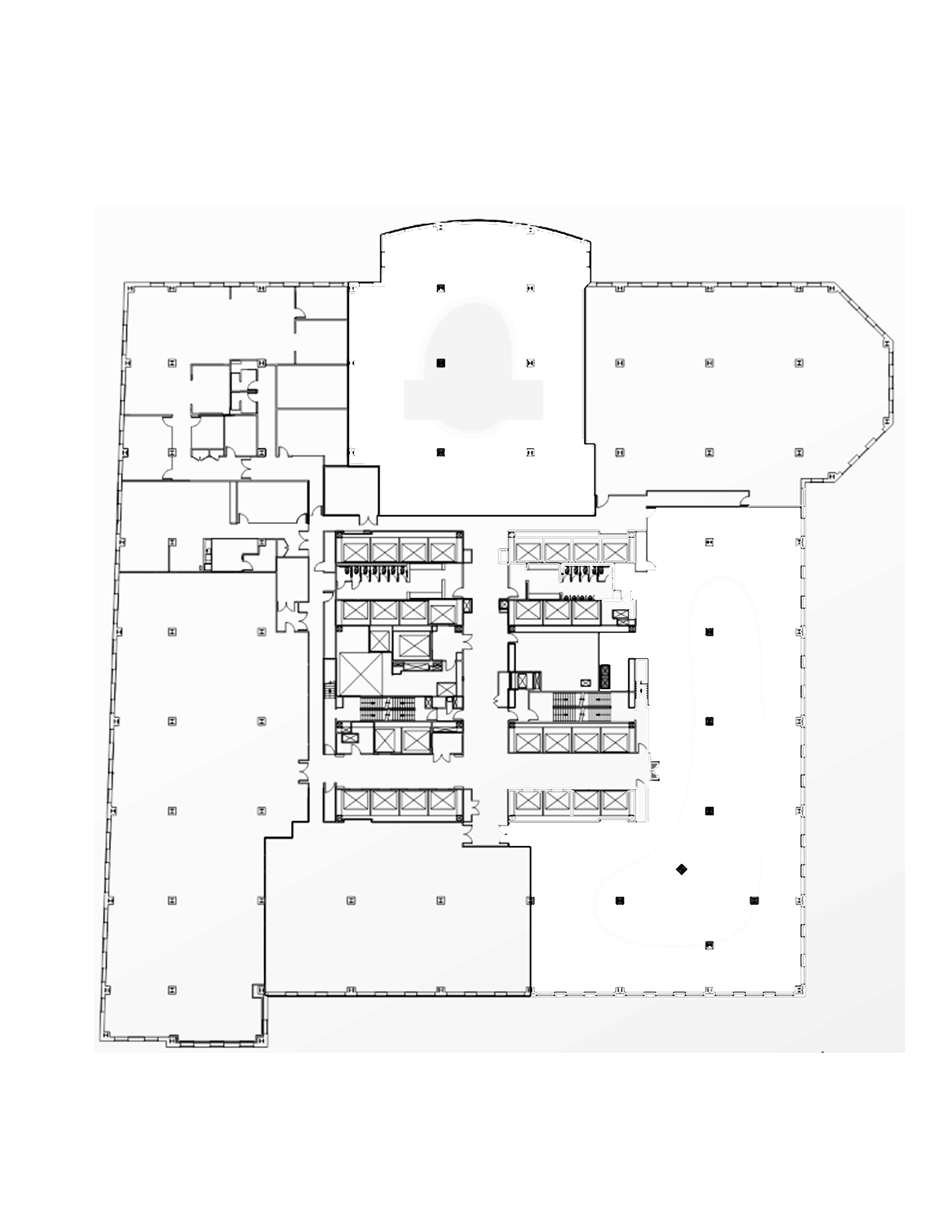
SEE A SAMPLE FLOOR PLAN – Empty Floor Plate
Floors: 90 Stories / 1,215′ or 1,296′ to tip (342 m)
Property Type: Skyscraper
Location: Battery Park City / Zip Code 10281
Total Building Size: 2,600,000 SF.
Lot Size:
Year Built: 2015 to 2019
Architect: KPF – A. Eugene Kohn Pedersen Fox
Building Class: A
Price: Buildings in this range and location today are averaging rents between $70 to $100 PSF.
Building Features:
• High Gorgeous Lobby
• Prestigious Corporate Identity
• LEED – Gold (Applied for)
Property Details
Progress in Midtown Manhattan will be much more spread out, despite that the raw height added to the city skyline will be incomparable, potentially even at a global level!
Today has seen the quite literal rise of local urban projects within Manhattan with Hudson Yards leading the way as a symbol of NYC’s vibrant and ever growing leadership in renewal and design. The Hudson Yards development is slated as the biggest private real estate project in our country’s history and encompasses the following; five office towers, twenty restaurants, all of which will be serviced by public open spaces, coupled by an enormous addition of residential units who are then matched by a new public school. In addition the area will also feature a new hotel, and over 100 stores giving the neighborhood a strong influx of business & residential tenants helping to cement this landmark location for years to come!
The site spans 10th to 12th Avenue and 34th to 30th Street including the West Side Rail Yards.
Impressive tenant roster includes:
DNB Bank
Time Warner (Headquarters – half the building, below the 38th floor; which includes HBO, CNN, and Warner Brothers)
Related & Oxford
Wells Fargo Security (NYSE: WFC)
Companies who favor this Location
- Visa 2025 New Lease
- Covington & Burling 2024 New Lease
- Susquehanna International Group 2024 New Lease
- Covington & Burling 2024 Extension
- Susquehanna International Group 2024 Extension
- Convene 2024 New Lease
- Stonepeak 2024 New Lease
- Westfield Insurance 2024 New Lease
- Visa 2024 Extension
- Stonepeak 2024 Extension
- Visa 2024 New Lease
- KKR 2023 New Lease
- KKR 2022 New Lease
- WarnerMedia 2019 New Lease
- Neuhaus 2019 New Lease
- Related Companies 2019 New Lease
- Meta 2019 New Lease
- Tumi 2018 New Lease
- Banana Republic 2016 New Lease
- Athleta 2016 New Lease
- DNB Bank ASA 2016 New Lease
- NYX 2016 —
- Kiehl’s 2016 —
- Body Shop 2016 —
- Urban Decay 2016 New Lease
Call Today / Tour Tomorrow!